How to Build a Beverage Brand
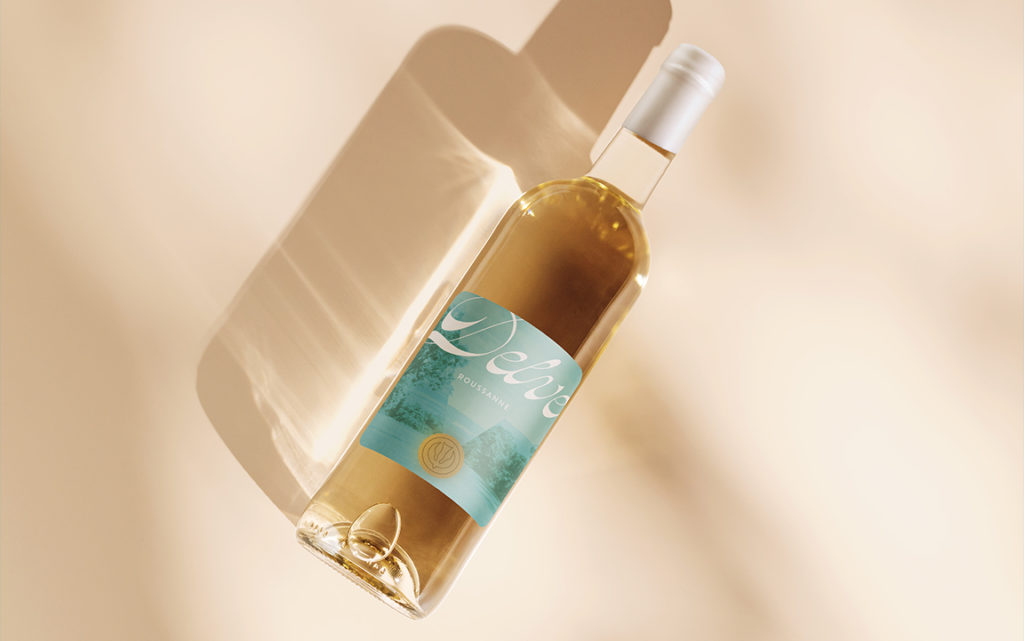
Over the years we have build craft spirits brands, wine brands, beer and non-alc, funtional, better-for-you and more, but they all share similar steps along the way.
1. Who are you? Discovering and defining your brand.
Brand Strategy
This includes a deep discovery process looking at your market, trends within that market, who your consumer is and what they like. Who are you up against and how can you differentiate yourself? What is your USP (Unique selling point)? What is your story, your values and your mission?
Your goal is to create a brand that resonates with your consumer, speaks to them, allows them to connect and relate to your brand. This step in the process culminates in a creative brief to act as a guide throughout the rest of the branding process, ensuring that all future pieces compliment and support your brand story that has begun here.
2. Name your brand.
Trademark. Trademark. Trademark.
We have seen too many people invest in branding only to have to change it at a later date, costing them time, money and brand recognition. Once ideation is done and you are closing in on some favorites, start with some basic vetting :
- Google search: are there any obvious conflicts within your industry or even outside it, as this could affect URL and Social handle availability
- Search Available domains : it does not have to be exact, but is there a short, relevant URL available for purchase?
- USPTO basic search : while the trademark office search can be a bear there are very basic searches you can do within your category just to be sure there are not glaring conflicts.
- If things are looking good, we recommend hiring a trademark lawyer to lock up your name and eventually, your logo as well. This is the foundation of your brand, so protect it.
3. Brand Identity.
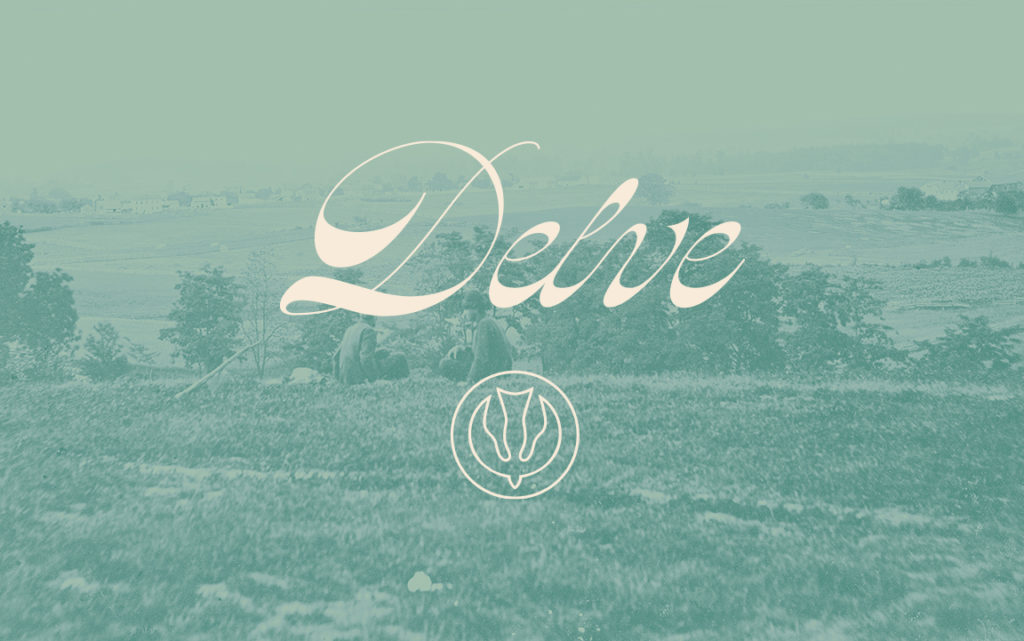
Your brand and package define you on-shelf before someone has tasted your product. While some design studios do the identity and package in tandem, we like to focus on the identity first, as it often has to stand on it’s own without the package to support it on social, websites and in other marketing like merchandise. You want a brand that consumers want to know more about, one they connect to, are proud to use and wear because it resonates with them both in who you are but also how it looks.
Our logo process begins wide and deep, covering all available bases that would apply the to target market defined in your creative brief that was developed during your discovery process.
Once we have narrowed the field together, we begin refinements but often leave color out of the conversation, since beverage brands often have to flex across a wide array of mediums from being etched into glass to embrodiered on merch.
The color exploration brings the identity to life, adding emotion ~ it begins here and is refined throughout the packaging process.
The Brand Package culminates in a brand guide so that you are able to easily use your brand, from color codes, Pantones and typography to proper logo usage, as well as supporting new employees or third parties who later come into the brand and need to learn how to properly utilize it consistently.
4. Package Design.
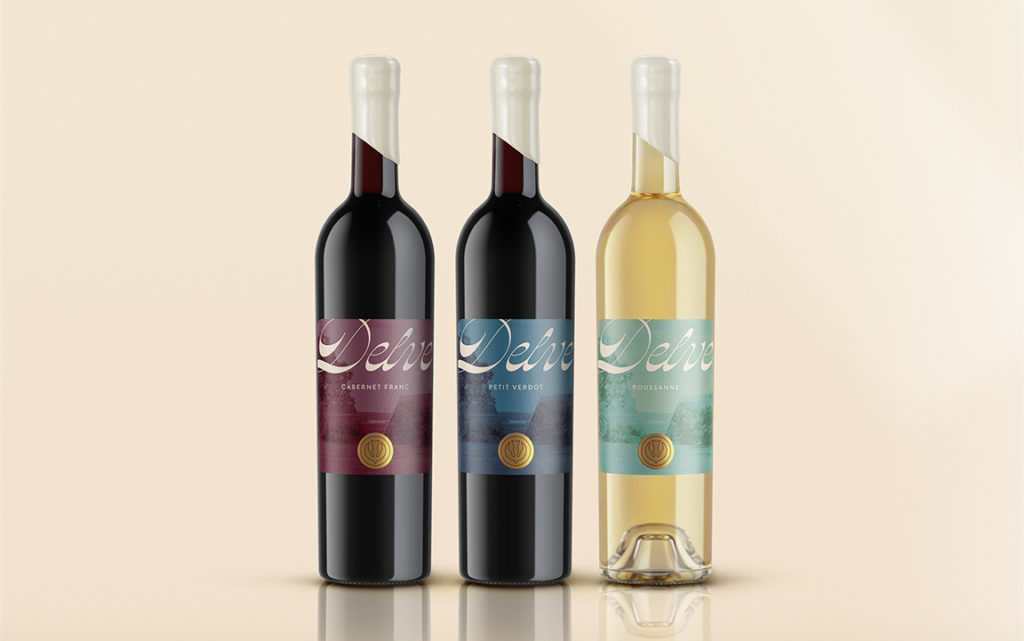
Design begins even before Adobe. Your container is an opportunity. Does your packaging align with your values? For instance, if you are a sustainably-focused brand, using aluminum or glass would be better than plastic. Or screenprint over a wrap. Is there an opportunity for custom glass? A custom shape can immediately separate you from the pack, when done well.
It is our job to get the consumer to pick up your product the first time, it is your job to make a product that is fantastic so they come back for more after tasting it.
From Spirits label design, wine label design, non-alc packaging and more, it’s all about grabbing attention whether boldly or quietly, to further tell your brand story. This can be told through custom illustration, lettering or a minimal design, whatever is true to your brand.
There are many solutions to a single problem, so we approach the packaging in a similar way to the identity : exploration of many directions to solve the same problem. From there, we narrow based on what resonates best with the consumer, and then on to refinements.
Often, once a design is starting to take shape, you often have to start to consider government regulation. If your beverage contains alcohol, this means meeting TTB requirements, and if not, it may mean including ingredients and nutritional facts. Working with an experienced design studio will help ensure that you dont make missteps that could cause trouble down the road.
Once the first sku is complete, it can serve as a guide for all future packaging within that beverage line, lessening the time and cost of each additional label, can or bottle design.
5. Brand Outreach.
Time to take your brand for a drive out in the real world!
Decks: Investor Decks, Distributor Decks… so many decks! They see a lot of them, so developing a beautiful, concise and clear deck can make all the difference.
Social : What is your brand tone as how should you posts look and sound? From photography style to tone of voice, this is how the world will interact with your brand. Much of this should have been defined in your brand discovery and will continue to be defined here.
Website : Continuing with brand tone, websites today can either be informational or if you are DTC, it might be your main marketing piece, but no matter what it should reflect who you are, be easy to use and play well across all devices. What you build it on should be determined by how it will be used, so defining functionality needs before design is a must.
Merch : What is better than a free billboard? That is what a tshirt, hoodie, hat or other wearable is for your brand. Glassware they can take home, or another usable, functional and memorable item can be worth your investment.
POS : If you plan to sell at retail, you can garner even more attention through at least your case box display and perhaps even some point of sale beyond that. If you have this opportunity, run with something bold. There are so many options today, make sure yours grabs notice.
Other needed collateral : could include business card design, brochures, recipe cards, banners for events, leave behinds for trade marketing and more.